|
|
|
|
 |
|
Jun 24, 2026
|
|
| |
|
Renewable energy push, energy use in manufacturing has risen due to price volatility, shifting fuel usage
|
| |
|
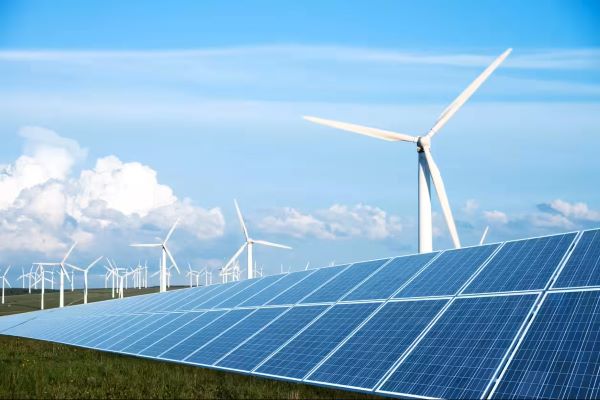
The US-Iran conflict has triggered a major global energy shock. As a result, a country like India, which relies heavily on imports to meet its crude oil demand, is facing a fuel price shock. This has had severe macroeconomic and social consequences such as spike in transportation/supply-chain costs, fueling inflation, weakening currency, and shrinking household disposable income.
Energy shock in the past and even now is a grim reminder for the country to accelerate movement towards renewable energy to secure long-term energy independence.
India in the COP26 Summit at Glasgow had spelled out its commitment to energy transition based on five declarations, (i) a renewable energy capacity of 500GW by 2030, (ii) meeting 50 per cent of its energy requirements from renewable energy by 2030, (iii) a reduction of carbon emissions by one billion tonnes till 2030, (iv) a reduction of carbon intensity by 45 per cent from 2005 levels by 2030, and (v) become a net zero economy by 2071.
|
|
|
|
|
| |
|
|
|
 |
|
|
|
© Copyright 2026.
All India Rubber Industries Association. All rights reserved. |
|
|
|
|
|
|
|
|
© Copyright
All India Rubber Industries Association. All Rights
Reserved. |
|
|
|