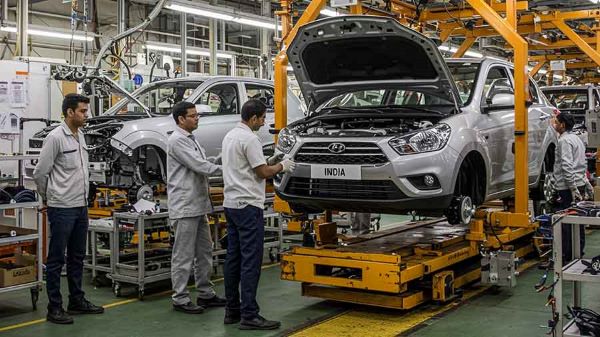
India's central government has unveiled a finalized policy framework to promote electric vehicle (EV) adoption and manufacturing in the country. As per the official announcement made on June 2, 2025, the initiative, called the Scheme to Promote Manufacturing of Electric Passenger Cars in India (SPMEPCI), targets investment in infrastructure, including research and development, and a limited scope for charging infrastructure. India anticipates that the policy will attract substantial foreign investment, facilitate technology transfer, and contribute to building a robust local EV supply chain.
Investment requirements under India's EV manufacturing scheme
The Union Ministry of Heavy Industries (MHI) first announced the SPMEPCI on March 15, 2024. On the same day, India's Department of Revenue, under the Ministry of Finance, issued a notification enabling reduced customs duties in accordance with the EV manufacturing scheme. To qualify for the scheme's incentives, participating companies are required to invest a minimum of INR 41.50 billion (US$ 485.9 million) within three years from the date of approval. Moreover, investments must be directed toward the domestic manufacturing of eligible e-passenger vehicles. In the case of brownfield projects, the upgraded or new facilities must be physically demarcated from existing manufacturing units. This is to distinguish the projects clearly for audit and compliance purposes. The policy also mandates a phased increase in domestic value addition (DVA) in the manufacturing process.
Manufacturing operations must commence Three years: 25 percent DVA target, Five years: 50 percent and DVA target Guidelines for DVA assessment.
These targets aim to ensure that the import duty benefits translate into genuine technology transfer and local supply chain development, rather than serving as permanent subsidies for imported vehicles. The assessment of DVA for eligible products manufactured under the scheme will follow the Standard Operating Procedure (SOP) established under India's Production Linked Incentive (PLI) scheme for automobiles and auto components. DVA certification will be carried out by testing agencies approved by the Ministry of Heavy Industries (MHI). Only products manufactured in India by approved applicants will be eligible for DVA certification.